PhD Candidate · Morgan State University · Architecture, Urbanism & Built Environment
Henry Oppong-Sem Ayakwah
Urban Planner · Researcher · Educator
Urban planning practitioner, researcher, and educator with over seven years of public-sector planning experience. PhD candidate at Morgan State University, with a teaching appointment at Towson University and civic initiatives across Ghana.
About
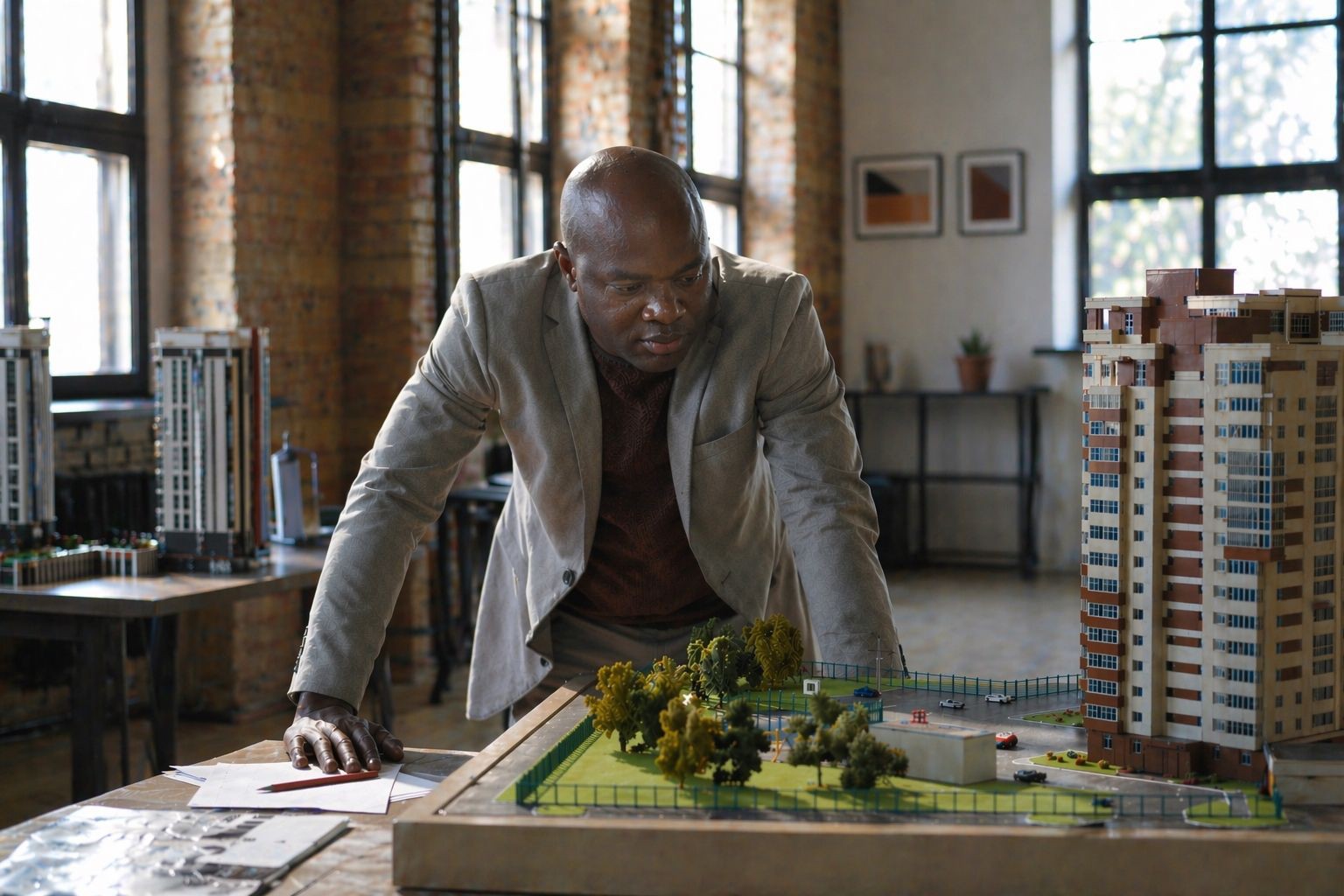
I am a PhD candidate in Architecture, Urbanism & Built Environment at Morgan State University (expected 2027) and an urban planning practitioner with over seven years of public-sector planning experience, including development review work with Baltimore County Government from October 2018 to February 2026. My research focuses on pedestrian safety, walkability, and active travel — specifically how street design and land use decisions affect how people move through cities.
As Faculty in the Department of Geography and Environmental Planning at Towson University, I teach courses built around actual places. Students do field documentation, policy analysis, and design work in Baltimore, Towson, and the surrounding region — communities most of them already live in or move through every day.
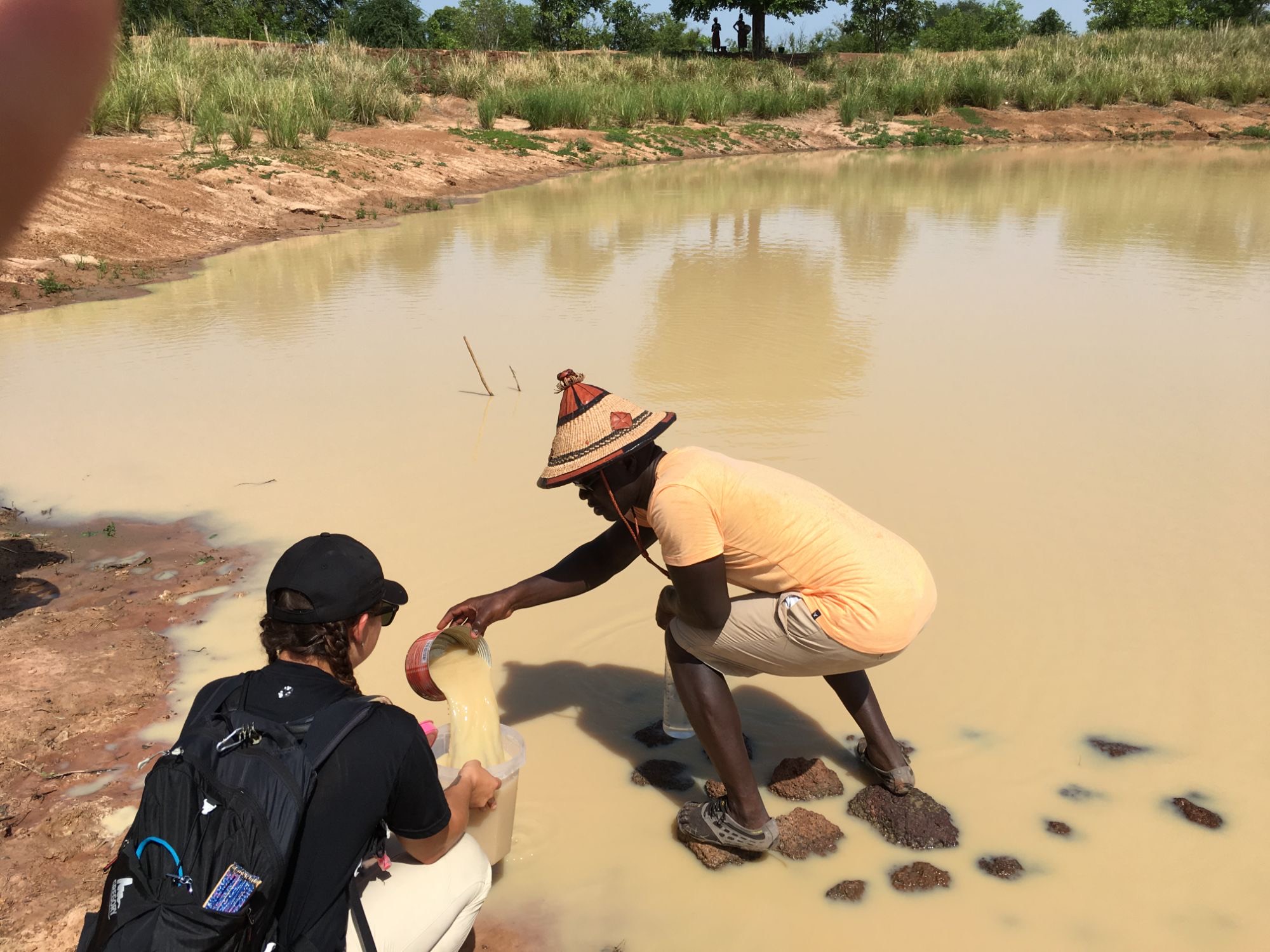
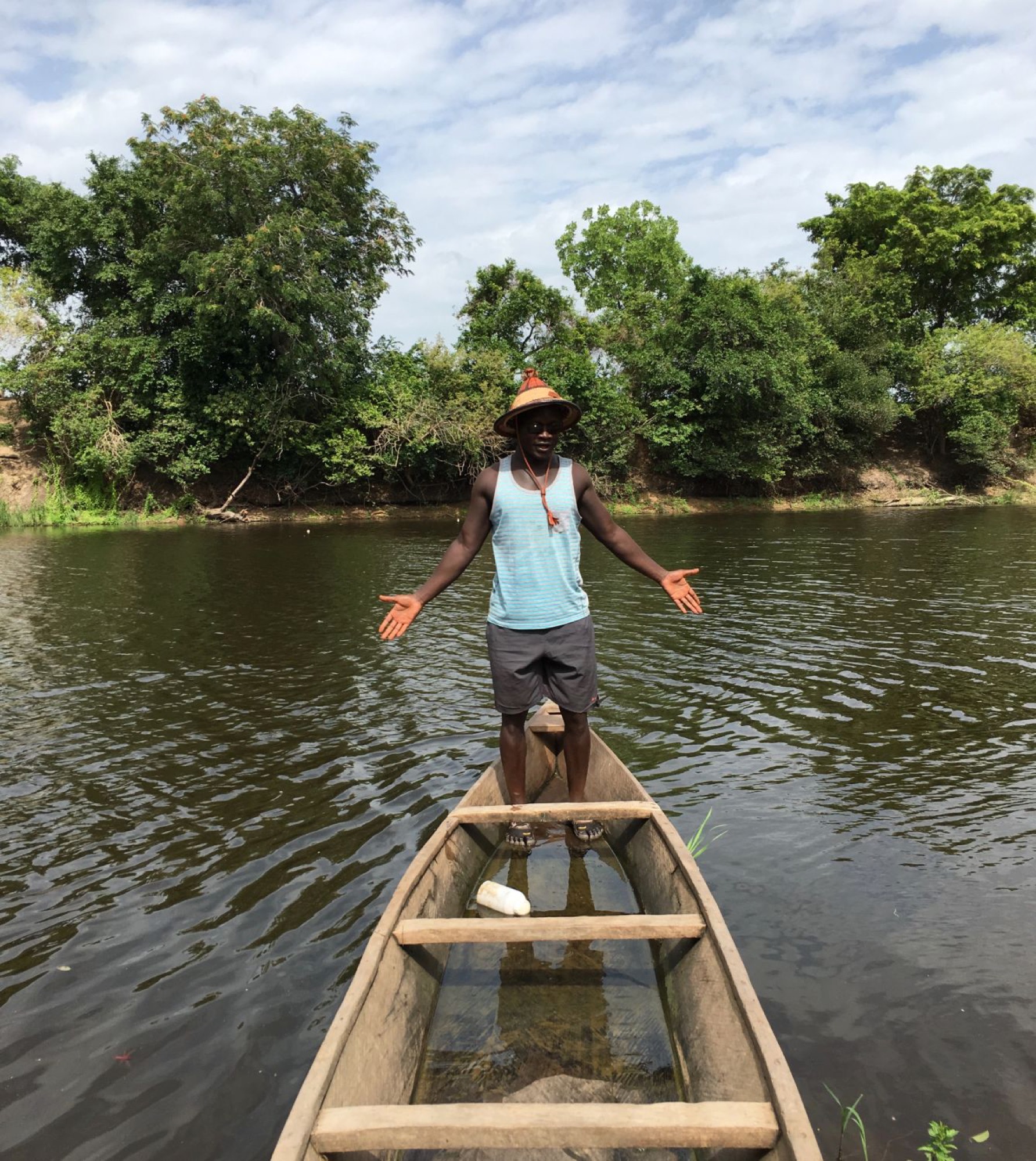
In Ghana, I founded GreenPulse Ghana, a national environmental organisation dedicated to land and waterway restoration across all 16 regions. I am also developing a suite of education and civic technology initiatives, including Nyansapo and VoltaFlo, aimed at expanding opportunity for Ghanaian students and diaspora communities.
My work focuses on pedestrian safety, walkability, and active travel — asking how street design, land use, and the built environment shape the daily choices and safety of people on foot.
At Towson, the coursework begins with field observation. Students document real places, analyze real plans, and propose interventions in communities most of them already live in or pass through every week.
| Code | Title | Since | Load |
|---|---|---|---|
| MTRO 101 | Introduction to Metropolitan Studies Core undergraduate survey of how metropolitan regions form, function, and change, examining governance, land use, transportation, housing, and equity across urban, suburban, and rural geographies. | 2022 | 9 credits / semester |
| MTRO 470 | Urbanization of African Cities An upper-division examination of African urban development, colonial legacies, rapid urbanisation, informal settlements, infrastructure gaps, and emerging planning responses across the continent. | — | Upper Division |
Teaching
Selected commentaries and student presentations from MTRO 101 at Towson University, drawing on field research, urban observation, and applied planning proposals.
The following commentaries drew on field research and planning proposals developed by undergraduate students in Towson University's MTRO 101 class. The opinions expressed in each piece are the author's. Student contributions are acknowledged within each article.
Field documentation of spatial inequality in Towson, Beltsville, and Jersey City, examining how planning decisions produce neighbourhoods resourced very differently depending on who lives there.
Read commentaryStudent photography and field analysis of York Road documenting the parking-versus-bike-lane tradeoff in downtown Towson and the case for a protected cycling network connecting the university to the broader community.
Read commentaryStudent proposals for climate-adaptive infrastructure in Baltimore and Annapolis, addressing stormwater, coastal flooding, and the gap between the extreme weather we are experiencing and the infrastructure we keep rebuilding.
Read commentaryStudent Presentations & Posters
Slide decks and design posters produced by MTRO 101 student teams. Presented in full as submitted, with student-authored analysis, photography, and policy proposals.
Comparative study of Ellicott City, Jersey City, and Towson across topography, density, and mobility, followed by community and policy solutions for flooding, spatial inequality, and quality of life.
View projectHistorical design, green infrastructure, and recurring patterns across Annapolis, Baltimore, and Towson, paired with design and policy responses to infrastructure decay, flooding, mobility, and inequality.
View projectA photo-driven comparison of how cities and suburbs organize movement, materials, and access, followed by policy and community solutions for limited green space and car-dependent design.
View projectPublic art, pedestrian infrastructure, and retail accessibility across Towson and Philadelphia, examining how built environments either support or undermine everyday mobility and civic life.
View projectHow transit and institutions express the tension between movement and centralization, paired with accessibility and transportation policy solutions for Towson University's campus environment.
View projectRoad design, environmental conditions, and density read through urban models, drawing on field observations from multiple mid-Atlantic cities and towns.
View projectA government-led Complete Streets and equity-based maintenance proposal that shifts street design toward pedestrians, cyclists, and transit while keeping upkeep consistent citywide.
View projectGovernment and community solutions for the urban heat island effect and spatial inequality, paired with a road design and environmental conditions policy poster for Downtown Towson.
View projectA poster examining winter walkability and gentrification in the Towson area, with paired policy-maker and community-member solution perspectives.
View projectTwo poster panels addressing pedestrian walkability and historic preservation in Towson and Rockville, each with public and government/policy solutions.
View projectA poster mapping recurring Baltimore-area issues, including excessive construction, underused public space, litter, and mobility, with policy and community solution diagrams.
View projectPlanning Experience
Seven years in development review and land use planning with Baltimore County Government, now combined with teaching at Towson University while completing doctoral research at Morgan State.
Development Review Planner (Former)
Baltimore County Government, Department of Planning
From October 2018 to February 2026, I served in planning and development review roles with Baltimore County Government, progressing from Planning & Zoning Associate (GIS) to Planner I to Planner II. My work contributed to subdivision, zoning, development review, land use, site planning, and interagency review processes across the county.
My public-sector planning work included review and coordination support for 90+ planning and land development cases, including minor subdivisions, limited exemptions, concept and development plans, amendments, refinement plans, commercial review items, residential development materials, institutional development materials, and redevelopment-related submissions. I also contributed research and drafting to the Baltimore County 2030 Master Plan and served as the Department's representative on the Council on Environmental Quality.
Land division, lot configuration, plan compliance, and review coordination.
Smaller-scale development, redevelopment, and site-related review materials.
Early-stage development concepts, agency coordination, and planning comments.
Plan refinements, amended submissions, and commercial or institutional development review.
Revisions to previously submitted or approved plans.
Selected Representative Examples
Provided development review support for an institutional and campus-related plan amendment and refinement submission.
Provided concept and development review support for proposed residential development materials.
Provided commercial refinement review support for site-related development materials.
Provided concept and development review support for redevelopment-related submissions.
Provided limited exemption review support for a commercial self-storage facility submission.
Provided limited exemption review support for industrial and flex development materials.
Provided residential resubdivision review and coordination support.
Provided development plan review support for commercial site improvements and related submissions.
Faculty
Towson University, Department of Geography and Environmental Planning
Developing and teaching undergraduate courses in metropolitan studies and African urban development. Teaching 9 credits per semester while completing doctoral research.
Research manuscripts in urban planning, pedestrian safety, walkability, and emerging technology, currently in preparation for peer-reviewed journal submission.
Op-eds and essays on urban planning, infrastructure, equity, and the cities we are choosing to build, drawing on classroom research and field experience.
When the people of Akyem Tafo rejected Parin Gold's concession, they were not wrong. The process was unacceptable. But slamming a door is not a development plan — and a community sitting on gold has its greatest bargaining power before anyone starts digging.
Read op-ed →Every year, Accra holds its breath for the rains. And almost every year, the rains win. The perennial floods are not weather. They are not inevitable. They are built, into a city that outgrew its drainage, paved over its wetlands, and settled its most vulnerable residents in the lowest ground.
Read essay →You can learn almost everything about a city's priorities by looking at what it does with the space between its buildings. In wealthier parts of our region, that space is generous. In the parts where lower-income families live, it collapses. This is not an accident of geography, it is a pattern, and patterns are made by decisions.
Read op-ed →Drive down York Road and you will see the contradiction plainly. A long row of cars hugs the curb, eating up valuable street space, while parking garages a block away sit half-empty. We have arranged downtown Towson so that the least efficient way to store a car gets the most prime real estate.
Read op-ed →Every time Ellicott City floods, we act as though it is a surprise. It is not. The flooding is not a freak event. Our infrastructure was built to handle the weather we used to have. It cannot handle the weather we are getting now.
Read op-ed →Applied planning, education, and civic initiatives spanning environmental restoration, curriculum-aligned learning, and financial access — all rooted in Ghana.
A national environmental organisation dedicated to restoring degraded land, water, and communities across all 16 regions of Ghana. GreenPulse operates four interconnected programmes — Blue Corridor, Green Canopy, Land Remediation, and the Ghana Data Commons — using a replicable six-step restoration model.
A Ghana-focused learning platform designed to support curriculum-aligned learning, structured revision, topic-based practice, diagnostic quizzes, and offline-first access to educational resources.
Curriculum-aligned lessons for Basic School through Senior High School, designed for structured, accessible, and offline-first learning aligned to the NaCCA/GES syllabus.
Responsible revision resources, topic-based practice, diagnostic quizzes, mock-style exercises, and study guidance for learners preparing for school assessments and public examinations.
Nyansapo is an independent learning and revision platform. It does not provide leaked examination questions, does not predict official examination content, and is not affiliated with WAEC, College Board, or any official examination body unless expressly stated.
Visit nyansapo.academyAn emerging US–Ghana money transfer and financial services platform being developed for the Ghanaian diaspora. Designed to support international transfers, mobile money delivery, bill payments, and community savings features tailored to the needs of diaspora users.
Gallery
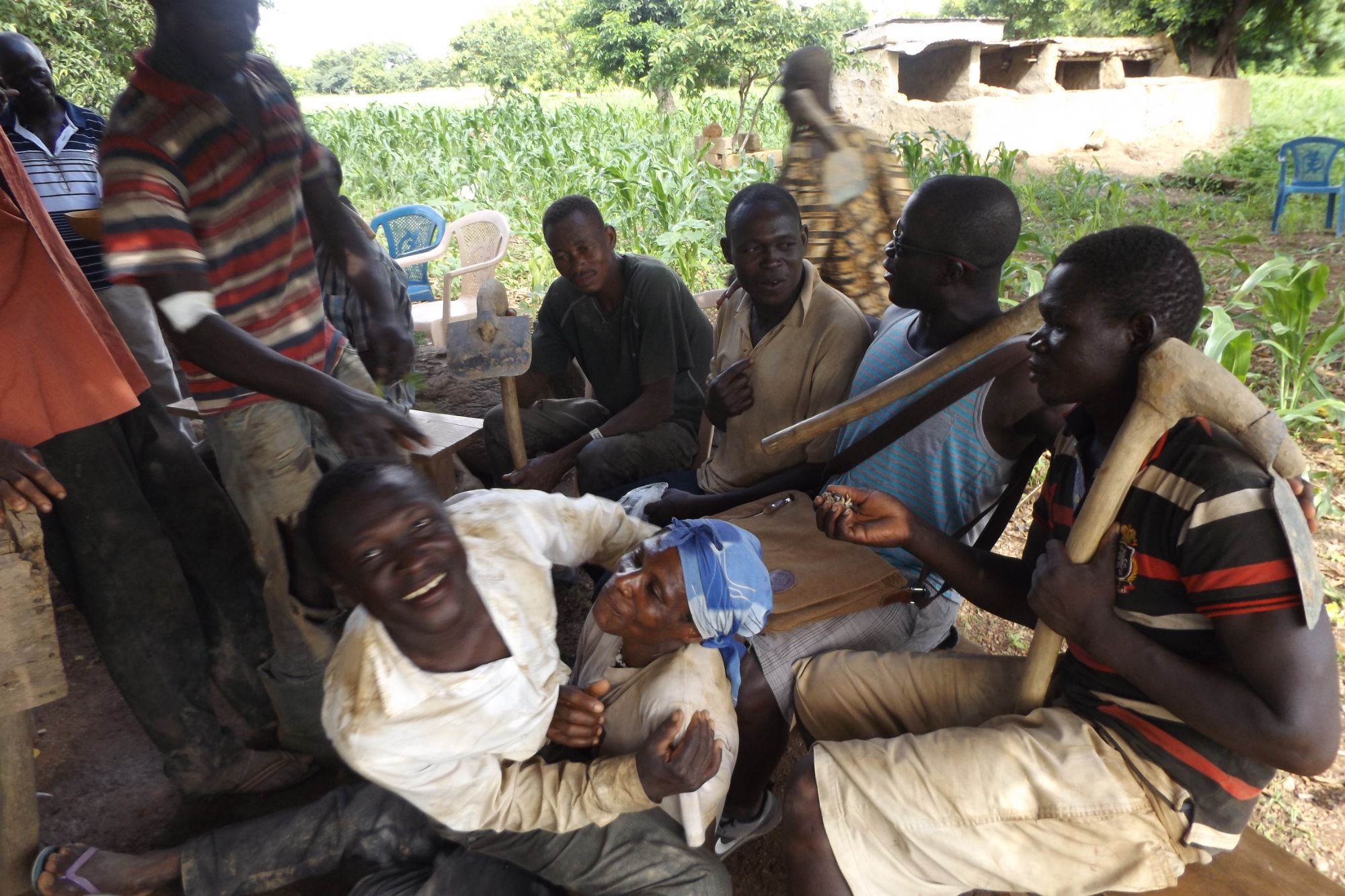
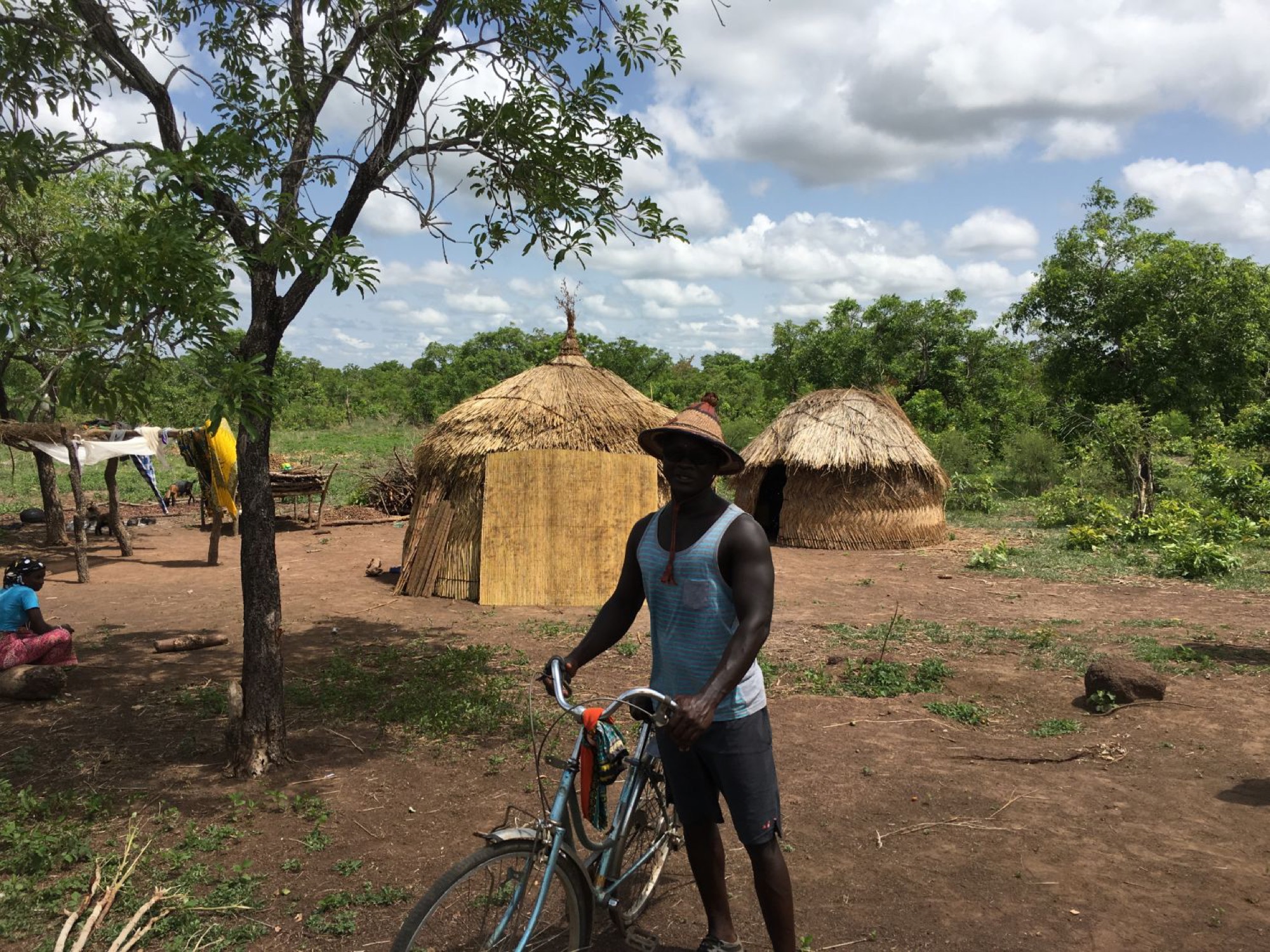
Moments from environmental fieldwork, community engagement, and travels across Ghana.
Contact
For academic, teaching, research, planning, civic initiative, or professional inquiries, please use the contact information below.